Sunday, October 15, 2006

Being Afraid of Hell

As I have been studying Revelation 4 and 5, which upon first read seems only to be a beautiful picture of heavenly worship, I have been somewhat haunted by the key role this passage plays in the coming judgment of God. I will be working directly from these passages when I preach in services on October 28-29. Though I will not be zeroing in very much on judgment and hell, I do admit that I have been a little troubled about how to handle its presence within the passage. I don’t consider revisionism to be an option.

For year pastors have been skirting around hell with the express desire of not making people feel overly “uncomfortable” with their teaching. The interesting thing is that Jesus spoke about hell a lot. Hell is mentioned by Christ 15 times in the book of Matthew alone. So how, like Jesus, can one be a friend of sinners and also tell them the truth about hell?

Below are a few statistics about what Americans feel about hell today that I pulled from a blog post on resurgence.com:
Curiously, most Americans believe in hell according to the report, which said, “A Harris poll of our attitudes conducted a few years ago found that 94 percent of American adults believe in God, 89 percent in heaven and 73 percent in hell.”

But here’s the hook, nobody thinks they are going to hell because hell is for the other evil people like terrorists and relief pitchers who give up a lot of walks. The report said, “Fully three-quarters of survey participants felt pretty sure they will be going to heaven when they die, while just 2 percent expected they would wind up in hell.”
The reality that the majority of people believe in hell was somewhat surprising to me. Clearly the problem with this is that a lot of people who are facing hell do not realize what hell is and how it is one gets there.

It is my opinion that people, even unchurched people, do not want a “soft sell” when it comes to the hard teachings of the Bible, and there is no question that the glory of heaven is far more attractive when contrasted with the reality of hell. In the same regard, like Christ, we must love people so deeply that our warnings about hell are not perceived as judgmentalism, but rather as the warning of a friend who wants desperately to see them saved from a life of sin leading to an eternity of death and suffering.

Friday, October 13, 2006

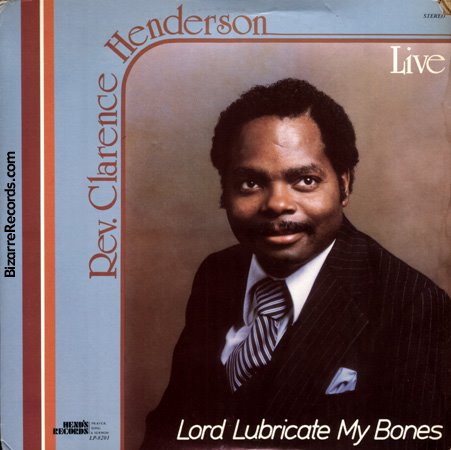
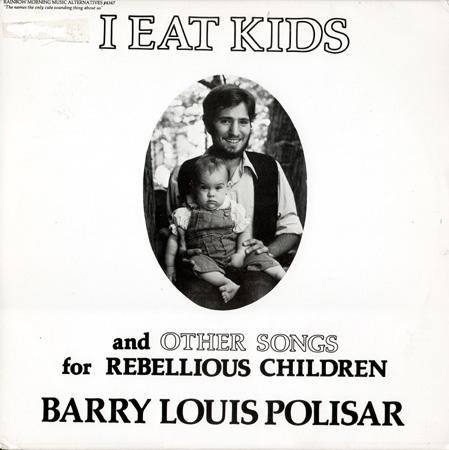
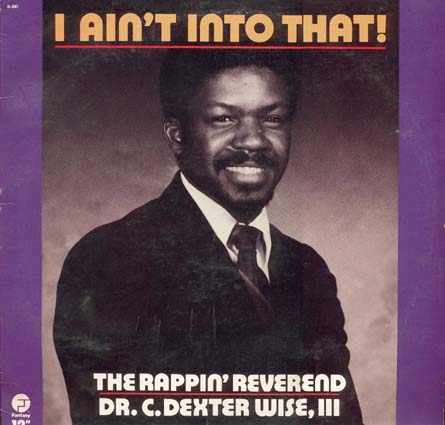
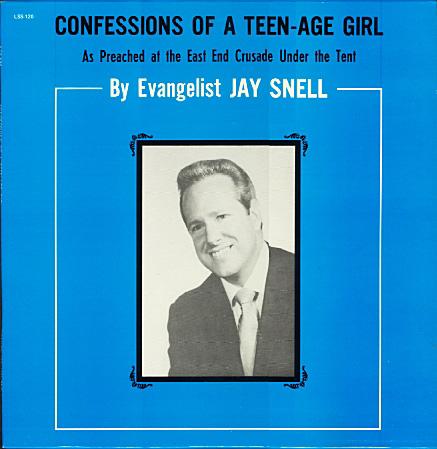
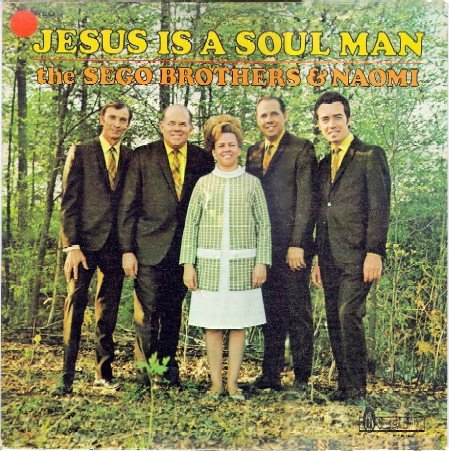
Album Covers....Wow!

Here are some humorous albums from the past. Are people one day going to look back at today’s album covers and laugh just as hard? Certainly not!


(HT: Purgatorio)

Thursday, October 12, 2006

Campaign for Real Beauty

We live in a “plastic” society where what is promoted as beautiful is botoxed, siliconed, nipped, tucked, and air brushed. Click here for a brand new commercial by Dove soap which shows the transformation of a “normal” woman into a “super model.” It’s a pretty revealing look at what we consider beautiful and what it takes to get there.

Wednesday, October 11, 2006

Continuationism and Cessationism (Part 2): An Interview with Dr. Wayne Grudem

Here is part two of Tim Challies interview with Dr. Grudem. I am posting this interview because I am concerned that the cessasionist position has limited the potential work of the Holy Spirit within the life of the church. Thanks in part to theologians like Dr. Grudem there is a trend within the evangelical community to embrace what I believe to be a healthier Biblical view on this issue. I am not yet convinced of the arguments for the hard-charismatic position, but think it is healthy to discuss and consider all views. For the first half of this interview, you can read yesterday’s post. Here’s part two…

- - - - -

Let me turn to a couple of questions that I know are of concern to cessationists, that they routinely bring up as concerns about continuationist theology. The first of these is: if we grant the existence of non-authoritative prophecy, does not such a position weaken the argument for the sufficiency and authority of Scripture? In other words, does the existence of non-authoritative prophecy weaken our claims for the inerrancy and sufficiency of Scripture?

I would restate that question by saying, if we say that God works through means other than Scripture, doesn't that weaken our authority for Scripture? I would answer, no, these are things other than Scripture. If, for instance, we say that God works through the advice of friends or the wise counsel of a pastor or elder, doesn't that weaken the authority of Scripture? It doesn't, because it is a different category of thing. It is something we think is used by God and through which God can work, and our strong belief in the Sovereignty of God would encourage us to think that, but it comes with human authority but not with absolute divine authority. Whatever people would say about prophecy I would say, what about advice from friends and counsel from friends? How do you understand that? Same thing. Can't God work through that? Sure. Well, can't God work through prophecy? What's the difference? I don't see that it is a qualitatively different thing. In fact I think the Westminster Confession of faith, chapter 1, paragraph 10, hints at the fact that we should put these in a similar category. So no, I don't think so. Can there be mistakes that lay people make? Sure, but those aren't the responsible leaders that we should quote. I can quote from any movement mistakes of irresponsible lay persons.

Probably the most common critique of continuationist theology by cessationists is that it relies too heavily on experience. Cessationists often claim that continuationists allow experience to drive their hermeneutic. How do you answer that?

Doctrinal disputes should be settled by appeal to Scripture. Experience is not our final authority - Scripture is. But the Scripture talks about these spiritual gifts quite openly and honestly and frequently and talks about them in the context of the New Testament church and I think they're part of the church age.

Is it possible to believe in a continuationist position without having experienced any of the gifts?

I encounter students and pastors all the time who say "I'm not persuaded by the cessationist arguments from Scripture but I've never seen any of these miraculous things in my life." That is the most common comment that I hear about these things from people who are in mainstream Evangelical positions. And over the years as I've taught not only here at Phoenix Seminary but at other seminaries - adjunct at other seminaries - by far the most common view expressed among seminary graduates is open but cautious. They say "I'm not convinced by the cessationist arguments but I really don't know how to put these things into practice in my own church and I've never seen them happen." Tim, the cessationist argument is not winning the day in terms of exegetical arguments or persuasiveness in the books published. I think it's appealing to a smaller and smaller group of people.

Are you aware of this book, Miraculous Gifts for Today: Four Views that I published from Zondervan?

Yes, though I just received it a couple of days ago.

A mature, widely-respected Evangelical leader in England, said to me about that book, that the thing most Evangelicals in England found surprising was that any argument could be made for cessationism at all. Another widely-respected British Evangelical leader fifteen years ago said to me that the battle between cessationists and non-cessationists in England is over. The cessationists have lost. Or the charismatics have won. I'm not sure exactly what he said but it was something like that. And that's the case, I think, in almost the entire world outside the United States.

So you feel that it is a caricature that the cessationists have Scripture and the continuationists rely on experience.

Yes. You know, Jack Deere in his book Surprised by the Power of the Spirit - do you know this book, published by Zondervan?

I know of it, though I haven't read it.

His argument is that the primary reason why cessationists hold their view is experience. That is, he says, they haven't experienced any of these miraculous gifts and so they construct a theology to justify it. He was a highly-respected Hebrew and Old Testament professor at Dallas Seminary promoting a cessationist view.

So he would say that the lack of experience is as much an argument from experience as actually having had the experience?

Yes. I think that's an excellent book, actually. I agree with ninety-eight percent of it. He has some little thing about apostles that I don't agree with but otherwise I think it's an excellent book.

One more question that a cessationist might have has to do with prophecy, as you might expect, and the fallibility of prophecy. If God grants prophecy today, why is it so frequently misunderstood? Continuationists will often explain that the details of prophecy do not work out perfectly perhaps due to human weakness or sin. Since God can make Himself clear, and usually did so in the Bible, why doesn't He do so today?

He chose to work thought imperfect means.

And you'd say in Scripture He did not?

Scripture is unique. He worked in a way that is inerrant and absolutely authoritative. But, throughout the whole history of the canon, from Adam and Eve to the book of Revelation you have a story of God interacting personally with individual people. The cessationist view wants to tell us that this doesn't happen anymore today, and I don't feel that's right. I should say, interacting personally with individual people in ways that are distinct from the canonical words of Scripture which they had at the time. It is God speaking to individual people. In spite of the fact that the Bible is full of those hundreds and hundreds of examples, now cessationists come along and say, "Sorry, God doesn't do that today. He did that throughout the whole history of the Bible but He doesn't do that today." That is relating directly to specific people other than through the written words of the canon that they had at that time.

Do you believe that the way God spoke to people in Old Testament times, say, for example, the way God spoke to Abraham, is that consistent with the way God speaks to us today? How would God have spoken to Abraham?

The way God speaks to people can vary widely in biblical times and it can today as well. Going back to "why does God speak to us in ways that are fallible," I would say the same question can be asked of many other things. Why does God work through evangelists who are imperfect? Why does God work through pastors who work through imperfect sermons? Why does God work through Sunday school teachers who say things imperfectly? Why does God work through the advice of friends, some of whom make mistakes? God works in this age through imperfect people. That's his normal manner of working. And to object to something by saying, "How can God work through this if it's imperfect?" is just denying the entire way God works through people...

I think the argument would be not that God works but that He speaks. The trouble people have is in an imperfect word of God.

Doesn't God speak through Sunday school teachers that are imperfect? Does He speak through personal counsel and advice that is imperfect? What's the difference?
I really enjoy getting into this discussion when I get into it.

I'm sure you do!

I've been away from it. I've been into Bible translation and manhood and womanhood and I'm on rich and poor nations and I've forgotten about all this.

Let me turn to the future to cessationist/continuationist relations. In the last few months I think we've seen some interesting developments between continuationists and cessationists. John MacArthur invited C.J. Mahaney to preach from his pulpit and there's also the Together for the Gospel conference that is coming up. Do you feel that these developments might just herald a new day for cessationist/continuationist relations?

I hope so. I see these as outworking of the pastoral and church level the kinds of interaction and mutual appreciation that I've seen for the last twenty years in the academic world.

Is it feasible or even desirable for cessationists and continuationists to come together to worship as members of the same church or denomination or is this too big an issue?

Sure.

No trouble with that?

No. I pose an interesting hypothetical question at the end of this book, Are Miraculous Gifts For Today: Four Views. The very last segment of the book is my reflection on spending two days of conversations with the other four authors, Richard Gaffin, the cessationist, Robert Saucy, from Talbot, the open but cautious, Sam Storms being a Vineyard or Third Wave person, and Doug Oss from the Assemblies of God, and me. After everyone wrote their essays we met in a hotel conference room in Philadelphia for two days, no tape recorders, no notes, just the five of us talking for about seventeen hours. In my summary of it I talked about what had happened (and nobody changed his mind) but it was a wonderful discussion because all five of us had Ph.Ds in New Testament or theology and Doug Oss in his forties was the youngest in the room so we were fairly mature in our views. I said, "What if, by some strange act of God's providence, we were all thrown together in the same church and we were the five elders?" Here's how we would have to make adjustments and allowances, but I think we could all work together. I love to pray with Richard Gaffin who is my cessationist friend because He walks with God. So I talk a little bit about that. [this references page 348 of the book]

I've been in a Vineyard church, I was about five years in a Vineyard church; I did a pastoral internship while I was at Westminster Seminary in an Orthodox Presbyterian Church - loved the people there and am thankful for the church; have been an elder of a Southern Baptist Church; now I'm at a Bible church. Wherever you go you find people, ordinary Christians, who love the Lord and they love His Word and if you can show things to them in the Bible they believe it and they try to follow it. I think that's a wonderful thing.

On the subject of Southern Baptists, I wondered if you had any thoughts about the new policy adopted by their mission board. I don't know if you heard about that, but it forbids missionary candidates from speaking in tongues.

I haven't read it so don't want to comment. If it's true I'd be very disappointed.

Fair enough. Let's head towards wrapping this up. Why does God allow issues like this to exist in the church? You have to believe that He could easily clear up such issues as continuationism and cessationism. Why does He allow disputes like this to carry on?

Well, for one He wants to test our hearts and see what our attitude is towards those with which we disagree. And two, He purifies the church through controversy because our positions are then deepened and strengthened. And so through the whole history of the church the controversies over the deity of Christ, over the Trinity, the great Reformation controversies over justification, the controversy in the church in our generation over inerrancy, controversy over men and women in the church, controversy over spiritual gifts - everybody changes. In recent controversy everyone has changed somewhat. But they come to a more nuanced, more refined, more accurate position and then they hold firm. That is happening in the controversy over manhood and womanhood issues and we have more openness to and appreciation of the valuable ministries of women in the church, yet the church is not going to go in an egalitarian position. Ultimately, the vast majority of God's people are going to have churches where only men are elders.

So you feel this is a valuable discussion and one that will end in a consensus of the church...

What happens is over time the vast majority of God's people come to the right decision. Then, like the Arians in the fourth century, or like the anti-inerrantist people in our lifetime, the people on the other side eventually are marginalized and continue but with very little impact on the church as a whole. I think that is going to happen with egalitarians in the manhood/womanhood controversy, but it is going to take some time to get worked out because the culture has such strong pressure in the other direction. I think with regards to cessationists and non-cessationists the controversy has been very healthy in a number of ways: there has been a greater appreciation of the importance of spiritual gifts and ministry by every Christian to one another; there's been remarkable change in worship styles that I think has been very valuable and we have, in large measure, the charismatic movement to thank for that; there has been a great appreciation for the work of the Holy Spirit in our lives and the empowering of the Holy Spirit and the validity of prayer and prayer for miracles today. On the other hand some of the abuses and mistakes of the charismatic/Pentecostal movement have been highlighted and people are trying to restrain those and refrain from making some mistakes like that. And there has been a new emphasis on the unique authority of the Bible and I'm thankful for that. So I think there's good on both sides.

So you feel this controversy is going to end with others in the history of the church? That it will strengthen the church?

Oh yes, definitely! It already has.

Tuesday, October 10, 2006

Continuationism and Cessationism: An Interview with Dr. Wayne Grudem

It’s true, I am an “open but cautious” charismatic. The discussions on this issue are prolific and often passionate.

I stumbled across a two part interview that Tim Challies did with Wayne Grudem on this very issue and thought it interesting enough to re-post today and tomorrow on my blog. I really resonate with a lot of Grudem’s thoughts and appreciate the grace he extends to those both in the cessasionaist (gifts ceased) and continuist (gifts continuing) camps.

WARNING: These are longer posts, but a good read for those curious about this issue.

- - - -

Dr. Wayne Grudem is Research Professor of Bible and Theology at Phoenix Seminary. He holds a B.A. from Harvard University, M.Div. from Westminster Theological Seminary and Ph.D. from the University of Cambridge. He has served as president of the Council for Biblical Manhood and Womanhood, as president of the Evangelical Theological Society (1999), and as a member of the Translation Oversight Committee for the English Standard Version of the Bible. He has written more than 60 articles for both popular and academic journals, and his books include: Systematic Theology: An Introduction to Biblical Doctrine, The Gift of Prophecy in the New Testament and Today, and Business for the Glory of God. He has also co-edited Recovering Biblical Manhood and Womanhood: A response to Evangelical Feminism and edited Are Miraculous Gifts for Today? Four Views.

I began our discussion by describing the purpose of this interview and the audience who was most likely to read it. I then proceed to ask questions of Dr. Grudem.

How important is this issue in the grand scope of all that's going on in the church today. How much attention do you feel this subject deserves?

That's a hard first question because there is no one answer that fits every church. I am in a church, Scottsdale Bible Church in Arizona, that has about 7,000 people in it. I suppose its position would be "open but cautious." Its heritage would be more from Dallas Seminary and Calvin Seminary and Bible Church background which has traditionally been more cessationist. In fact, in people's actual prayer lives as well as in the personal conversation of the pastor in the pulpit to the congregation, people talk about the Lord leading them and guiding them in specific ways. Sometimes in ways it sounds very much like the gift of prophecy to me, but they don't call it prophecy. They call it prompting or leading. I am thankful for all of that and I am very comfortable being in a home fellowship group where people pray and are willing to say how they think the Lord is leading them and guiding them as they pray and what He brings to their minds. And they don't call it prophecy. But I'm thinking, "That sure looks like prophecy to me!"

The pastoral leadership of the church might or might not say that there are people with the gift of healing today but in fact I am on the elder board and quite often at the beginning of an elder meeting we'll lay hands on someone and anoint someone with oil in prayer for healing according to James 5. God sometimes answers those prayers in wonderful, and I would say miraculous ways.

So what is very important is people's day-by-day walk with God and whether that is a vital, personal, ongoing relationship in which people, ordinary Christians, are regularly praying about concerns and events in their lives and getting answers to prayers and knowing the reality of the Holy Spirit's guidance and direction. What's also important is people depending on the Lord in seeking His blessing and empowering in their ministries.

So how important is it? Some of the things that go on would be called by other names in more charismatic churches and they probably would be a bit more demonstrative. But the Holy Spirit can work in such a variety of ways.

Let me ask this. Do you feel that there is some inconsistency with cessationists in terms of what they believe and how they actually act out their faith? You gave the example of guidance. Many people I know claim to be cessationist yet still have no trouble claiming that "God told me" - they are using what Dr. Waldron called prophetic language.

I am thankful for that. However, Tim, I think we have to recognize that there is a segment of the cessationist community that is ready to pounce on anyone who speaks of subjective forms of guidance; ready to pounce on anyone who speaks of dealing with promptings of the Lord in one way or another; that is highly suspicious of any emotional component in worship or prayer. I don't know that that is representative of all of cessationism but there is a segment of the cessationist community that is so suspicious of any emotional component, any subjective component in all of our relationship with God and with others that it tends to quench a vital aspect of the personal relationship with God in the lives of ordinary believers. And that can tend to a dry orthodoxy in the next generation that abandons that faith and the church spiritually becomes dry and static, and I'm concerned about that.

Now, are you aware of this new book that came out last month called "Who's Afraid of the Holy Spirit?" Let me get that off the shelf.

I believe Justin Taylor sent me a link to it just a couple of days ago.

It's called Who's Afraid of the Holy Spirit? and it's by Dan Wallace who is a New Testament professor at Dallas Seminary.

And you wrote the foreword, right?

I did. I wrote the foreword and Josh McDowell wrote the foreword. It is an insider's look at dispensational cessationism and saying, "While we're still officially cessationist we can...become too rationalistic; give too high a priority on knowledge instead of relationship and this can produce in us a bibliolatry (believing in the Father, Son and the Holy Bible)." The net effect of this is the depersonalization of God and that part of the motivation for depersonalizing God is the increasing craving for control. We want to affirm that God is still a God of healing and miracles; Evangelical rationalism can lead to spiritual defection; many of the power brokers of Evangelicalism have been white, obsessive-compulsive males since the turn of the century; the Holy Spirit's guidance is still needed in discerning the will of God; we must not avoid the sufferings of Christ in seeking out the power of the Spirit; and then they talk about the witness of the Holy Spirit. I thought it was a very healthy book and I eagerly commend it. I didn't agree with everything in it but I thought that it was very good.

Back to "how important is it?" I would want to say to cessationists and to open but cautious people on the one hand that I agree that there are ways in which the Holy Spirit is still working that are similar to what was happening in the first century churches and described in the New Testament. I think that the first century church and the New Testament generally encourages us to seek miraculous workings of the Holy Spirit much more than we do in mainstream Evangelical churches. I think if we did, and if we taught about spiritual gifts that were consistent with Scripture and which put safeguards against abuses, that we would see a much greater explosion of the powerful working of the Holy Spirit in bringing more unbelievers to Christ and in bringing physical and emotional and relational healing to people within our churches and in bringing us to new levels of joy in worship beyond the very positive things that we see today. I would like to see much more, not just openness to, but encouragement of the miraculous works of the Holy Spirit. That's what I've written some of the things that I have.

In general most Reformed people do not hold the position you do as a continuationist. Why do you feel that most Reformed believers are cessationists?

I am not sure that we know what most "Reformed believers" hold. I know what a number of professors at Reformed seminaries hold but that may not be representative of what is actually going on. I just want to say that as a qualification.

The dominant literature coming out of Reformed presses and Reformed seminary professors has been more cessationist I think. I think that's a fair characterization.

Would you be willing to suggest some reasons why that would be?

[Laughs] You want me to answer, really, don't you?

I suppose!

The most basic reason, and one which I think everyone can agree on, is a desire to protect the unique authority of the Bible and to protect the closed canon and not to have anything compete with Scripture in authority in our lives. That's a fundamental, deep concern among cessationists and I affirm that concern and I think it's very important to maintain it in the church.

I think it is somewhat of a historical aberration that cessationism - that the leaders of the Reformed movement have been cessationist. This was certainly not true in the seventeenth century among Puritans in England, for instance, like Richard Baxter. In The Christian Directory he has a number of statements that align almost exactly with my view of the gift of prophecy. And I quote those in the back of The Gift of Prophecy in the New Testament and Today. I took a couple of pages from Baxter's The Christian Directory and I faxed those to J.I. Packer and said, "It looks like Baxter holds the same view of prophecy that I do." Packer faxed me back and said, "Yes, you're right. This was the standard Puritan view. They weren't cessationists in the Gaffin sense." Let me just find that. Jim Packer gave me permission to quote that. I am quoting John Knox, the Scottish Reformer, the Westminster Confession of Faith, Samuel Rutherford, George Gillespie, Richard Baxter. I quote this on page 353 to 356 of The Gift of Prophecy in the New Testament and Today. Packer, whose doctoral dissertation at Oxford was on Richard Baxter's works, sent back the following: "By the way, some weeks ago you faxed me an extract from Baxter about God making "personal, informative revelation" (those were Packer's words). This was the standard Puritan view as I observed it - they weren't cessationist in the Richard Gaffin sense." That's J.I. Packer's personal fax to me on September 9, 1997 and I quoted it by permission.

Packer knows the Puritans well. You also have this article in the Westminster Confession of Faith saying that the Westminster Assembly recognized different views of prophecy. Byron Curtis, who had this article in the Westminster Journal saying that the phrase "private spirit" in the Westminster Confession (110) means "private revelations of the Holy Spirit - personal revelations of the Holy Spirit" and it puts it in the same category as decrees of councils, opinions of ancient writers and doctrines of men. These are all to be examined and attested by Scripture. So Curtis argues (there's been an answer to him in the Westminster Journal, but I don't think it's been an adequate one), and I think Curtis is right that the Westminster Confession itself allows for this and says it has to be subject to Scripture.

So I think we have in the twentieth century a historical aberration not essential to Reformed theology that cessationism has become the dominant view. It may be a legacy from B.B. Warfield and the respect with which people held Warfield. Warfield was responding to Roman Catholicism and their claims for the validity of their doctrines based on appeals to miracles and Warfield was trying to discredit that. I don't know what Warfield would say about the modern charismatic movement but that isn't what was in his view at the time.

To be honest, Tim, the early beginnings of Pentecostalism in the United States in 1901 and 1906 at Topeka, Kansas and then at Azusa Street in Los Angeles, these were not theologically-sophisticated, highly-trained people leading the movement. They were more ordinary believers in whose minds the Holy Spirit began to work in a remarkable way but they didn't understand it very well at times and didn't articulate it very well. They began promoting a doctrine of baptism in the Holy Spirit after conversion that was a mistake and they mislabeled it - they should have called it filling or empowering of the Holy Spirit. I think much of it was a genuine work of the Holy Spirit. But it wasn't defended by people who knew Greek, Hebrew, Latin, German and French and had been to Princeton Seminary. And so it was so easy for people to focus on the abuses and mistakes and the misstatements or less than carefully articulated theological statements by the defenders of what was going on.

And honestly, I think that people who tend to gravitate towards a position of leadership in denominations that are highly doctrinally self-conscious tend to be people for whom doctrinal precision and analysis is of very high value. And their ministries naturally gravitate towards being very clergy-oriented and very oriented towards the ordained clergy and the means of grace - the administration of the sacraments, the preaching of the Word, discipline - these are all clergy-run means of grace. And so we are coming out of a heritage of the neglect of the importance of ordinary lay people ministering to one another in small groups and home fellowship groups and things like that - in prayer and personal words of counsel and encouragement and exhortation - that just wasn't a strong suit among many of our Reformed forbearers in the last century. And so when something comes along that has strong lay emphasis, an emphasis on lay ministry, and it wasn't anything that was printed in the bulletin that was going to happen that week, it seems like things are not done decently and in good order. Then it begins to find reasons to criticize.

When you discuss these issues with cessationists, what do you feel is the single greatest misunderstanding of charismatics by cessationists? This is your opportunity to get that one thing off your chest.

I don't know that anything comes to mind. I have lived and worked and fellowshipped in so many contexts and have been able to be thankful for so many different contexts. To give you two examples, my son Elliot, was just six weeks ago ordained as a pastor in the Presbyterian Church of America in Raleigh, North Carolina, and I spoke at his ordination. A few months before that my son Alexander married a woman from an Assemblies of God background and I co-officiated the wedding with her father who is an Assemblies of God pastor. I felt very comfortable in both situations. To take another example, on the same week I received invitations (this is probably twelve years ago) to write notes on Second Corinthians for what was then called The New Geneva Study Bible, edited by R.C. Sproul, and to write notes on Romans for The Spiritual Life Study Bible edited by Jack Hayford which is a charismatic study Bible. I accepted both invitations and didn't tell either party that I was doing the other. They both come out within a short time of each other. I am just thankful for both ministries and for what they are doing for the work of the kingdom.

I would say that it is too easy to have in mind a mental picture of a caricatured episode that has been on television. If cessationists would actually attend some worship services or prayer meetings in more responsible Vineyard churches or Foursquare Churches or Assemblies of God churches or independent charismatic churches, I think they would be surprised how strong people's love for God is, and love for His Word, and desire to be subject to His Word, and not to teach or do anything that would be wrong, and how much real ministry and real healing in people's lives (I don't mean just physical healing, but emotional and relational and spiritual healing) is going on and how much zeal for the lost, how much evangelism, how much care for the poor, how much actual carrying out the work of the kingdom is being done in these charismatic, Pentecostal and Third Wave churches. It's marvelous. It's wonderful and I think we need to be aware of the good examples of it of which there are tens of thousands and then be thankful for them.

Monday, October 09, 2006

Where Worship Begins

People often think that the success of a worship service depends on the "excellence" of the preaching or music. A.W. Tozer writes that if worship doesn’t happen in your heart then it won’t happen in the church you attend either.
If you do not know the presence of God in your office, your factory, your home, then God is not in the church when you attend. I have come to believe that when we are worshipping, if the love of God is in us and the Spirit of God is breathing praise within us, all the musical instruments in heaven are suddenly playing in full support… it is my experience that our total lives, our entire attitude as persons, must be toward the worship of God.
A.W. Tozer, Whatever Happened to Worship? P. 123

Sunday, October 08, 2006

Tis the Season… Almost

Friends. About a week-and-a-half ago Pastor Jeff invited me to speak in services on October 28-29th about how “Faith Makes a Difference in Worship.” Thanks to a chapter on worship that Josh Malone shared with me, I have identified Revelation 4 and 5 as the passages I would like to “exposit” for the weekend. As I’ve dug into the text I’ve realized quickly how difficult it will be to adequately teach several chapters of a text in one message. Have no fear, I WILL keep it to about 35 minutes (or my credibility will forever be shot)! All this to say, my lack of blogging for a few days and a slow-down in posting over the next week or so is likely due to this shift of focus.

Before I return to some reading, I thought I would take a moment to update you on Christmas scheduling. With the very successful addition of a live venue this Fall and with numerous losses in key staffing positions. we are not doing any major production service this year. We will, however, have a short series of Christmas weekend services that will feature some excellent Christmas celebration. All these services will be designed to clearly communicate the gospel to all the visitors and your guests that you invite to attend. Here’s our schedule…

December 9-10
  • Worship Center: Contemporary Christmas Celebration with Vocal Team and String Orchestra and Band
  • Atrium Venue: Traditional Christmas Celebration
December 16-17
  • Worship Center: Christmas Worship with Adult Choir, Children’s Choir, and Wind/Brass Ensemble
  • Atrium Venue: Joining the Worship Center for Services
December 23-24
  • Worship Center: Three Christmas-Eve Services Saturday Night, Sunday Morning, and Sunday Night. These services will be identical in content making three excellent options for those of you who will be celebrating with your families at different times throughout the holidays.

Thursday, October 05, 2006

Fox Faith Movies

20th Century Fox’s new movie division “Fox Faith” is preparing to come out with some interesting new "faith based" movies Love’s Abiding Joy and One Night with the King. Click on the titles to link with the websites and view the trailers.

Wednesday, October 04, 2006

Healthy Living Radio

Today Pastor Jeff challenged the staff to listen to “Healthy Living Radio” with Dr. Ken Cooper for one month. He did this in the context of challenging us to take good care of our temple (1 Cor 6:19) with good diets and regular exercise.

If you have itunes (or another player that will download podcasts) you can simply paste this link in the “subscribe to a podcast” box located under the advanced menu bar item:

http://healthylivingradio.libsyn.com/rss

If you are looking for motivation to “get in shape” this is a good place to get it!

POSTMODERNISM CONFERENCE: Talks Are Online

There is a lot of "buzz" in blog world regarding the postmodernism conference I just attended. The feelings on both side of the fence are pretty strong. I certainly think we could spend a lot of time scrutinizing every little detail (which in my opinion can quickly become a waste of time). As I detailed yesterday, there were some "big ideas" that were very valuable for us all.

To read a rather detailed review by my colleague Josh Malone go here.

All the talks from the conference are online here. I would recommend Tim Keller and Mark Driscoll's talks as well as the "Conversation with Pastors." Of course Piper is always a good listen. Unfortunately to figure out who gave which talk, you need to click "read" next to the talk and the name of the speaker will be on the page that opens.

Monday, October 02, 2006

Reflections on Above All Earthly Powers

A few initial comments regarding this weekend’s conference…

It was a really great experience. At the beginning of the conference Dr. Wells painted a rather dismal picture about the condition of faith in the western world (from Tim Challies blog).
We see a pattern emerging that Christianity is moving South to Latin America and Africa, and moving East into some of the most populous nations in Asia. There are probably more Christians in China than in the United States. It is also growing in India and elsewhere. In the West, Christianity is struggling to survive. The United States is a bit of an exception, but in Europe vast areas of its life have been stripped of all Christian presence, leaving behind nothing but empty churches and cathedrals. This is somewhat true of Canada; it is true of Australia and New Zealand. This Sunday only 2% of people in New Zealand will go to church. By contrast, in some African churches up to 80% of people go to church. Some meet under a tree or beside a building, but they still meet. There is more Christian believing outside the West than inside the West. Christianity is becoming de-Westernized.
This should serve as a rude awakening to those of us who think of the western world as the most reached area in the world. Times are a changing.

I believe the “big picture” message was that we must combine allegiance to the timeless truths of a good Biblical theology with timely ministry that contextualizes ministry in a way that makes it relevant to postmoderns. Both Tim Keller and Mark Driscoll did an excellent job helping us to better understand how to do this. One thing we must understand is that the postmodern generation is the most Biblically illiterate generation we’ve seen in ages. This means that more now than ever before we must take into consideration that those we are trying to reach have absolutely no comprehension of even the simplest aspects of the Christian faith. Consequently, we must incorporate the meta-narrative (historic story) of the Christian faith in all we do. We must also remember to be “seeker sensible…” which means “we don't lose theological vocabulary, but take the time to explain it,,, in terms they (seekers) understand.” Another reminder was that our commitment to social ministry (serving our community) must parallel our commitment to proclaiming the gospel.

Of course John Piper, David Wells, and D.A. Carson did a phenomenal job cautioning us that our strategies and the cultures epistemology (how we know something / how we think) must not erode the Christian beliefs that are foundational to our faith. Some facets of the emerging church are neutering Biblical doctrine by denying hell, the wrath of God, the penal substitution of the cross, etc… If one denies these doctrines they are denying some of the very things that make us Christian.

Certainly, there were many other memorable and instructive moments in the conference. For a complete review of the sessions you can read a complete summary on all the talks on Tim Challies blog. The audio messages will be available for free download on Desiring God’s website within a few days.

Friday, September 29, 2006

Tommy Emmanuel

You guitar players can cry yourself to sleep tonight after watching this video. Tommy is an amazing acoustic guitar player out of Australia. Be inspired!

Thursday, September 28, 2006

U2's New Single

Want a sneak peak and U2’s hot new single? You don’t want to miss this link sent to me by JCarlson!

Above All Earthly Pow’rs


I am departing tomorrow with several other Pastors and Elders from Parkview to attend this conference in Minneapolis, MN. If you’ve read my blog for long, you’ve noticed discussions here and there about postmodernism’s effect on our culture and churches. It is a very hot topic that a lot of people have been wrestling with in recent years. I am praying this conference will be helpful in the discussion.

For those of you who would like to follow the conference in greater detail you can check in at Tim Challies blog. He will be “live blogging” the entire conference. I am not sure if I will be blogging much over the weekend. If not, I will likely reflect on the conference in posts early next week.

Fear and Violence For Sale

Last weekend my son Zach had a friend over who brought several “kid’s movies” for them to watch that evening. Two of them were based on the popular children’s book series “Goosebumps.” After watching it with them for 10 minutes I was shocked by the reality that this book/movie was nothing more than a “horror” primer for kids. It was very frustrating to me that some company was profiting from entertaining children with these meaningless plots targeted to draw in kids by scaring them!

Millions of dollars are made every year on the selling media that uses gratuitous violence and horror as the primary entertainment source. From horror flicks to ultimate fighting, people are paying big money to sit on the edge of their seat and get jacked up about this stuff. The real problem I have is that there seems to be little to no redemptive value in this type of entertainment!! How does this line up with Philippians 4:8?
Finally, brothers, whatever is true, whatever is noble, whatever is right, whatever is pure, whatever is lovely, whatever is admirable—if anything is excellent or praiseworthy—think about such things.
A few months ago I was listening to Dr. Daniel Amen M.D. of the Amen Clinics on Healthy Living Radio where he discussed that subjecting yourself to gratuitous horror flicks literally damaged your brain. Here is an article on the Media Awareness Network that highlights the drastic increase in violent media that is now being watched by more and more people. I think we should join these experts in being really concerned about how this type of media is becoming more and more popular.

In closing, I must admit that I have enjoyed my share of violent films from Gladiator to Saving Private Ryan to Passion of the Christ; however, I do feel the violence in these movies gave value and credibility to a greater story.

So, how should Christians respond to gratuitous media? How do we protect our children from the desensitization to violence and horror that is trickling down to them? Study after study shows that our children are suffering the consequences of a deteriorating entertainment culture. When will it end and what should we do?

Tuesday, September 26, 2006

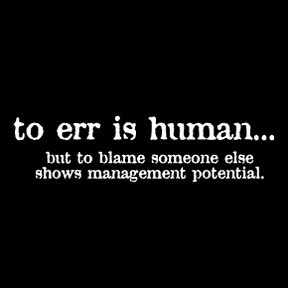
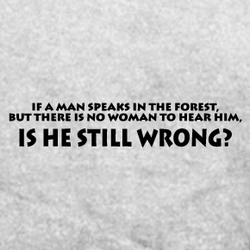
Funny TShirt Slogans

OK, what's the deal with stupid tshirts being so cool to wear? Here are some funny tshirt slogans that may give you a laugh. I'm not sure I'd wear em' but someone will.


Monday, September 25, 2006

Arts Kick-off

Thanks to the 100+ people who attended this years Arts Kick-off Luncheon in the Atrium on Sunday. Our timing could have been better than to host this on a big choir weekend but despite the scheduling challenge it was a rich time. I enjoyed fellowshipping with you all and meeting several new candidates for involvement in the ministry. I am so incredibly blessed to work with such a talented team of leaders and such skilled and devoted volunteers. Thanks for all you do. I am praying for a blessed and fruitful season of ministry together this year. For His Glory!

Saturday, September 23, 2006

Do You Love the Church?

Sadly, far more energy goes into criticizing the church than honoring and praying for it. We need to be reminded about the role of the church in God's story of redemption. Read below...

"Do you love the church of which Christ has called you to be a member? For all its flaws and frictions, do you have hope that you and your brothers and sisters will one day shine brightly in the beauty of holiness? When your congregation or denomination seems to suffer one spiritual setback after another--'by schisms rent asunder, by heresies distress'--are you tempted to give up on the organizational church and go it on your own? Do the so-called saints you rub elbows with on Sunday seem to be obstacles rather than aids to your friendship with Christ and your growth in his grace? Then look again at the church through Jesus' eyes, and in the bright light of her final destination. Jesus' eyes see all the churches' blemishes and bruises, yet our defects do not diminish his love for us or dim his eager expectation for the day when he will present the church to himself 'in all her glory, having no spot or wrinkel or any such thing' but rather being 'holy and blameless' (Eph. 5:27). When we glimpse the bride through the eyes of her Groom, it lifts our head in hope and calms our frustrated hearts for persevering love for one another."

Dennis E. Johnson, Triumph of the Lamb: A Commentary on Revelation, p. 343.

(HT: Justin Taylor)

Thursday, September 21, 2006

Twentysomethings Aren't Going to Church

Iowa's greatest theologian Josh Malone posted the following clip from Scot McKnight's blog regarding a recent Barna survey showing that people in the "twentysomething" age group are attending church much less than older generations. This is not really a suprise to me because even at Parkview in recent years our median age as a congregation has been going up and I think this is in part because it's been harder to get young people commited to a church. To read Josh's thoughts and enter into the conversation go here.

- - - -

The research shows that, compared to older adults, twentysomethings have significantly lower levels of church attendance, time spent alone studying and reading the Bible, volunteering to help churches, donations to churches, Sunday school and small group involvement, and use of Christian media (including television, radio and magazines).

In fact, the most potent data regarding disengagement is that a majority of twentysomethings – 61% of today’s young adults – had been churched at one point during their teen years but they are now spiritually disengaged (i.e., not actively attending church, reading the Bible, or praying). Only one-fifth of twentysomethings (20%) have maintained a level of spiritual activity consistent with their high school experiences. Another one-fifth of teens (19%) were never significantly reached by a Christian community of faith during their teens and have remained disconnected from the Christian faith.

Loyalty to congregations is one of the casualties of young adulthood: twentysomethings were nearly 70% more likely than older adults to strongly assert that if they “cannot find a local church that will help them become more like Christ, then they will find people and groups that will, and connect with them instead of a local church.” They are also significantly less likely to believe that “a person’s faith in God is meant to be developed by involvement in a local church.”

These attitudes explain other anomalies of twentysomething spirituality. Much of the activity of young adults, such as it is, takes place outside congregations. Young adults were just as likely as older Americans to attend special worship events not sponsored by a local church, to participate in a spiritually oriented small group at work, to have a conversation with someone else who holds them accountable for living faith principles, and to attend a house church not associated with a conventional church. Interestingly, there was one area in which the spiritual activities of twentysomethings outpaced their predecessors: visiting faith-related websites.

Wednesday, September 20, 2006

Worship is a Verb: Part 3

In the last post (Worship is a Verb: Part 2) I gave a brief survey of physical worship practices all throughout the Bible and classified them according to liturgical and charismatic practices. The survey revealed that there are a wide variety of participatory worship practices that are encouraged and modeled throughout the scriptures. In this post I am going to attempt to develop some ideas about how these elements of worship can and should play a role in worship gatherings today.

WHAT PRACTICES APPLY TODAY?

In the Old Testament…

Lets start by verifying what practices of worship (liturgical and charismatic) in the Old Testament are still relevant for today’s worship gathering. Several months ago in a blog post Bob Kauflin shared Iain Duguid’s statements that should be considered to determine if specific Old Testament practices and commands still apply today.
  1. It’s a command that points forward to fulfillment in Jesus, so it no longer applies. Animal sacrifices would be the most obvious example.
  2. It’s a command that applies enduringly and universally to all of God’s people and should be obeyed. For instance we are never to worship idols nor worship God in a merely external manner.
  3. It’s a command that reflects cultural and local practices given to ethnic Israel, which do not govern us directly but merely in “their general equity.”
After considering these statements, in light of OT worship, we see that practices such as shouting and lifting hands would not fit into the category of being fulfilled by Jesus and are therefore still valid practices of worship today. OT practices such as those detailed in the Mosaic Covenant (like animal sacrifice) are no longer valid because Christ fulfilled them in the new covenant.

In the New Testament…

In the New Testament the three elements of participation that are commanded for the worship gathering are baptism, the Lord’s Table, and singing (Eph 5:19). Both Biblically and historically it is clear that these elements are still relevant practices that must be observed in today’s worship gatherings.

This New Testament category that requires some grappling is the manifest gifts of the Holy Spirit we see first modeled in Acts 2. For the sake of time I am only going to highlight a few of the theological perspectives regarding gifts of the Spirit.
  • The “cessationist” position teaches that the gifts of the Holy Spirit were only manifest in a limited era and are no longer expressed in today’s church age. In my observation the “hard-cessationist” perspective is very difficult to defend Biblically and is embraced by a minority of today’s Evangelical scholars.
  • The “open but cautious” position teaches that the Spirit may still be operating in ways manifest in the New Testament, but a great deal of caution must be used to insure these manifestations fit within Biblical boundaries. Some who hold this position feel that the gifts of the Spirit are applied too recklessly by some believers and that the NT manifestations may be operating today, only at a different frequency, intensity, or nature than in the apostolic era. This views spectrum may include those classified as soft-cessationists or soft-charismatics. Most Evangelicals would fit somewhere in this camp.
  • The “charismatic” position teaches that the miracles and signs of the New Testament are still fully functioning. This would include practices such as prophesy and speaking in tongues that we read about in 1 Corinthians 14. A progressive or “hard charismatic” position advocates practices that could be considered out of Biblical bounds including chaotic unorderly behaviors, tongues without an interpreter, and in some camps even a complete rejection of orthodox Trinitarian doctrines.
PUTTING IT INTO PRACTICE

There is little to no debate among churches and Biblical scholars that today’s church is to regularly observe the Lord’s Supper, Baptize believers, and sing songs to the Lord; however, the other Biblical practices of worship that are spontaneous in nature, such as raising hands or speaking prophesy, are not as easily accepted or understood.

This diagram may guide us to better understand as to how we can assimilate and apply these seemingly permissible forms of worship in today’s worship gatherings.


The lower line represents the spectrum of theological perspectives I defined in the previous segment of this post. The Biblical margin represents acceptable Biblical worship practices. Obviously, every individual and church will place these lines in different places, but I do believe that the scriptures promote and model a vast array of worship practices that fit within this margin.

To discern practices for application within the worship gathering we must now “go vertical” and answer the following three questions:
  1. Is this form of worship being done with a humble heart? In other words, am I raising my hands because I like the attention it brings me, or am I doing it as an expression of love and surrender to the Lord?
  2. Is the physical form of worship decent and orderly? In 1 Corinthians 14 Paul makes it clear that worship must be orderly so that there is no confusion and so that all people are edified. Interestingly, Paul teaches much of this out of consideration for the unbeliever who could easily become confused by certain spiritual gifts being practiced in the public gathering.
  3. Is the physical form of worship sensitive to the weaker conscience? In 1 Corinthians 8 Paul teaches that there are practices that are permissible, but not beneficial. For example, if you fellowship in a church filled with well meaning cessationists, it would not be right for you to spontaneously break out in a dance before the Lord. Thought it may be Biblically permissible for you to do so, it would cause all the others in your midst to sin by viewing what you do as an improper (or even sinful) act of worship. It is important to be sensitive to a weaker conscience, but it is also important to strengthen the weaker conscience through Biblical instruction.
CONCLUSION

In closing, I want to make it clear that my ultimate goal of this series is to encourage all believers to participate in the worship gathering with great freedom and enthusiasm. Experiencing and enjoying God in worship is our chief end on earth and will be our perpetual state for all eternity. Too often we reserve our greatest statements of affection and excitement for our favorite sports teams or following a great job promotion. I often wonder how I would have felt worshiping God with David or being present to experience the unique manifestations of the Spirit in the early church. Would I cringe and say “I don’t know about this!?!?!” I am not suggesting we must all become charismaniacs; however, these expressions of worship are part of our Christian heritage and we need to be as careful that we NOT fear expressing love and enthusiasm for God out of intellectual pride or an improper sense of propriety, on the other hand we must not make the worship of God a circus of emotions that draws more attention and focus to the ourselves then our great God.

Tuesday, September 19, 2006

Who's Reinforcing Negative Stereotypes?

I don't typically post on current events, but thought this post by Tim Challies articulated well what many citizens and Christians in the United States are feeling about the controversy over the Pope's recent comments regarding the Muslim faith. Read below...

- - - -

As I'm sure you've heard by now, many Muslims throughout the world are terribly upset by comments made by the pope during a recent speech. While speaking to a group of university professors in his native Germany, the pope cited the words of a Byzantine emperor who characterized some of the teachings of the Prophet Muhammad, Islam's founder, as "evil and inhuman." He has since offered a less-than-complete apology, saying that he is deeply sorry for the reaction his words have caused. "At this time I wish also to add that I am deeply sorry for the reactions in some countries to a few passages of my address at the University of Regensburg, which were considered offensive to the sensibility of Muslims," he said on Sunday. "I hope that this serves to appease hearts and to clarify the true meaning of my address, which in its totality was and is an invitation to frank and sincere dialogue, with great mutual respect." Of course apologizing for a reaction is no real apology, but we'll leave that aside for a moment.

I found it interesting that the Vatican released a statement shortly after the speech in which Vatican secretary of state, Cardinal Tarcisio Bertone, said the pope's position on Islam is unmistakably in line with Vatican teaching that the church "esteems Muslims, who adore the only God." To equate Allah with the God of the Bible is absolutely absurd for they bear only the slightest resemblance. Christianity and Islam are as different as any two religions could be.

Regardless, Muslims around the world are protesting. Here in Canada a news outlet spoke to Adnan Husain, professor of history of Islam and interfaith relations at Queen's University in Kingston, Ontario. Husain said he's concerned about the ramifications of the pontiff's comments, which he said reinforce widespread and incorrect stereotypes about Islam. "I am very concerned about how this reinforces stereotypes, but particularly, how it sharpens a sense of religious conflict and cultural clash during these times when there is a stated war on terrorism taking place."

Now I don't often attempt to do P.R. for the Muslim world, but I can't help but feel that Muslims could help destroy those "widespread and incorrect stereotypes about Islam" by reacting to this situation with calm. They could react peacefully, calling for dialogue and charity. In short, they could react in the way most Christians do when God is slighted and blasphemed. They could react with righteous indignation rather than burning anger. And yet, here is what the press reports:

"Palestinians used guns, firebombs and lighter fluid to attack four Christian churches in the West Bank town of Nablus. Gunmen opened fire on a fifth church in Gaza."

"In India, angry Muslims clashed with police during a protest in Kashmir. More than 20 were arrested."

"In the town of Tulkarem, a 170-year-old stone church built 170 years ago was torched before dawn and its interior was destroyed, local Christian officials said. In the village of Tubas, a small church was attacked with firebombs and partially burned, Christians said. Neither church is Catholic, the officials said."

"An Iraqi insurgent group threatened the Vatican with a suicide attack over the Pope's remarks on Islam, said a statement posted Saturday on the Web. "We swear to God to send you people who adore death as much as you adore life," said the message posted in the name of the Mujahedeen Army on a website frequently used by militant groups. The message's authenticity could not be independently verified. The statement was addressed to "you dog of Rome" and threatened to "shake your thrones and break your crosses in your home."

This is just a sampling of what the press is offering. There are also plenty of pictures of burning churches, and angry, screaming Muslims holding placards denouncing the pope. To be fair there are several other organizations that have accepted the pope's apology and no longer display such outrage. But the violence continues as do the threats and the anger.

The point is, if you want to undo stereotypes the best way of doing so is not to blame a person who supposedly reinforces a negative stereotype, but in reacting in a way that different than the stereotype. The stereotype of Muslims tells us that they would react to the pope's words with anger, violence and calls for blood. Sure enough, many Muslims reacted with anger, violence and calls for blood. So who is reinforcing the negative stereotype?

Monday, September 18, 2006

Taking Care of the Ladies

When I pray with my boys, I try to often remind them that they are to treat all girls and women with love and respect. In a commercial culture that treats women as nothing more than sex objects to sell a product, we need to proactively teach our boys to respect the "better half" of humanity.

Little Daniel (age four) knows how to take care of the ladies. Most of us guys could learn a thing or two from Daniel.

Sunday, September 17, 2006

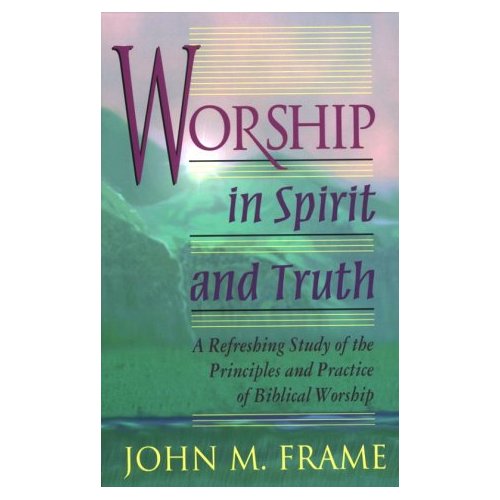
Worship in Spirit and Truth

I am finishing the book “Worship in Spirit and Truth” by John M. Frame. This is probably not a book that will interest the average churchgoer, but it is a good book that is a simple and quick read. In it John Frame gives an apologetic for some of the liturgies/practices of reformed worship found in measure within conservative Presbyterian and Reformed denominations. A few years ago I took a graduate course in “Liturgics” at the University of Iowa and the course was devoid of anything in terms of the historical perspective of this tradition, which was greatly influenced by the reforms of John Calvin. If you are curious about “The Regulative Principles” of worship (and other related principles) then you may enjoy Frame’s perspectives/adoptions of these principles.

There were no eureka moments in this book, but I feel like I have a clearer theology of Biblical worship from reading it. If you are a Worship Pastor/Director or would just like a better basic understanding of Reformation thinking on worship, this would be a worthy read.

I’ll close with a few memorable quotes:
  • The leadership of worship is a spiritual responsibility. It should e given only to those who are mature in their faith, who understand the Biblical view of worship, and who can in their words and actions model the truth and the love of Christ.
  • We live in a “sacramental universe” for God has created the whole world as a means of revealing himself.
  • Worshipers should not take a passive attitude toward worship… this perspective should make us less concerned about what we “get out of” worship and more concerned about what we contribute to God and to our bothers and sisters.
  • Determining the most intelligible form of worship requires us to ask what people in a particular culture most easily listen to and understand; and that question certainly overlaps the issue of taste. But we are not asking that question to satisfy anybody’s taste; we are asking it so that we may be more faithful in communicating God’s word clearly.
  • The function of (congregational) music is to glorify God by investing His word with the vividness and memorability that by His grace drives that Word into the heart.

Friday, September 15, 2006

What Not to Wear

Courtesy of Jim, this will be my last post on clothing for a while. I always wondered what I would look like if I fit the "cool worship leader" stereotype. All I can say is..... I'm speechless.

Rob Boer Update

I just received an update from Keri Boer regarding Rob’s (former staffer at Parkview) battle with cancer. I know many of you have been praying for them. It looks like we’ve got some good news. Read below:

- - - -

Dear Ones,

The Lord has chosen to answer our prayers as we hoped: Rob's tumor is shrinking! And the Lord is being glorified!

This past Tuesday we were at Duke again having a new MRI and medical appointments all day. The doctors compared the MRI in May to this one
and we got to see it. It is evident that the remaining tumor has
reduced. One dr. said this is unusual so maybe it was a difference in
"technique" but at least it wasn't growing. We know better; our God
doesn't have to do things in the "usual" way!

It was confirmed that Rob can't drive at least until February since he
had a mild seizure in Aug. There is a strong connection between his
fatigue and stress level and blood sugar level and seizure activity. So
he is continuing to try to balance his life, live in "healthy" ways, and
needs to start some easy water aerobics to build back his muscles and
endurance. His back injury from his initial seizures still bothers him.

He's been doing an exceptional job during this school year transition.
He is swamped with class prep and administrative duties. We haven't
seen him at home as much as we like, but we hope this will ease up as
the school year gets underway. Rob shared his testimony at the college
chapel this week. He focused on how the Lord has transformed his life
since this tumor. He is thankful for this tumor experience and would
not want it to be taken away because through it the Lord has shown him
how sufficient He is and how to really lay aside his own agenda and
perceived strength in favor of surrendering to all that the Lord wants
for him. We are grateful and humbled at how the Lord has used this time
in our lives to touch the lives of so many….

Rob's parents came yet again to visit us so they could take care of
Emily while we were gone at Duke. We have received so much support from our families and friends.
Thank you all!

Thank you for your continued care and prayers. This type of support is
powerful! Let us know how we can pray for you, as well.

In Him,
Keri Boer

More on What to Wear

Thanks for all the great discussion on yesterday’s post on clothing. All the comments got me thinking about some things that I thought significant enough to add in another post. So here it goes…

Because the discussion about what to wear in the corporate worship gathering is multi-faceted, I began wondering if I could establish a few basic principles that would narrow the discussion down to some clear Biblical parameters. Some of you may think I am making this more complicated than necessary but what can I say, I love my lists! Please note that I share this list fully aware that the Bible has not “specifically” mandated what to wear in the church gathering; however, I do believe there are some Biblical principles that may be helpful in this discussion.

1. MODESTY (1 Timothy 2:9)
Christians should dress in a way that maintains a healthy level of modesty. Though this is relevant in any circumstance, it is crucial when leading others in corporate worship because we are not to distract people from the glory of God and the message of the gospel. It’s one thing to say “everyone looked great” it’s another to say “I couldn’t keep my eyes of that alto!”
2. GENERAL NEATNESS (Proverbs 26:14-16)
Whether we dress casually or formally we should not be sloppy. Ripped jeans and wrinkled shirts communicate slothfulness and can be a distraction to people.
3. CONTEXT (1 Corinthians 9:22)
If we have a specific target or demographic we are trying to reach we should dress in a way that makes us relatable to their cultural context. A noted problem with this may be that the identity of our culture may be too eclectic to easily specify.
4. WEAKER CONSCIENCE (1 Corinthians 8)
Though something we wear may be permissible, it may not be beneficial. An extreme example would be for me to lead worship at our Saturday service in gym shorts. There is no Biblical command against wearing gym shorts, but a lot of people in the congregation would likely be offended or in the very least distracted by my choice of clothing. Though this was an extreme example, we need to be sensitive to the reality that what we wear could become a stumbling block for others.
5. AUTHORITY (Romans 13:1)
Sometimes we must dress a certain way because those in authority request it of us. I presently dress quite casual in our Saturday services and a bit more formal in our Sunday services. This is because a few years ago, in a meeting with an elder, it was requested that those in front not wear jeans on Sunday and I agreed to honor the request (which was confirmed by the Senior Pastor). Consequently, those who lead downstage presently adhere to a more formal dress code on Sundays.
One of the big talking points that came up from numerous people in the previous posts commentary was that we need to just “be authentic” with who we are and what we’re comfortable wearing. Certainly this is a credible point and an acceptable consideration; I just couldn’t find a passage that addressed it specifically.

In a recent discussion on this issue someone shared with me that young people may be starting to dress more formally in church. Though I haven’t seen any hard evidence supporting this, my attitude is the following: If dressing a certain way will eliminate barriers for people to hear and experience God in the context of loving community, then just tell me what to wear and I’ll do it. If that means a suit and tie, then I’ll wear a suit and tie. I just want to do whatever necessary to make the message of Christ more relevant and credible to our community.

Wednesday, September 13, 2006

What Do You Wear on Monday?

Quite regularly someone will comment or ask a question regarding what people should or should not wear during the corporate church gathering. Specifically when one is involved in leading music, preaching, sharing announcements, etc… One school of thought believes you should wear what the culture around you wears (e.g. if most of the congregation wears jeans, I wear jeans). Also, some people take into consideration their target audience, even if their target audience is not presently attending (e.g. if you want to reach surfers, start dressing like a surfer). Another school of thought would promote that in reverence and honor you should dress up when you worship God as a community, thus the term “Sunday best.”

A recent suggestion was made that we should dress in such a way as our congregation would dress when heading to work (school/whatever) on Monday. So, this leads me to the question “what do you wear on Monday?”

A few guidelines if you respond: People sometimes have strong opinions on this issue so please be charitable and gracious in you comments. Of course, this is not a scientific survey, but I look forward to hearing from you.

Tuesday, September 12, 2006

Baptism Opportunity

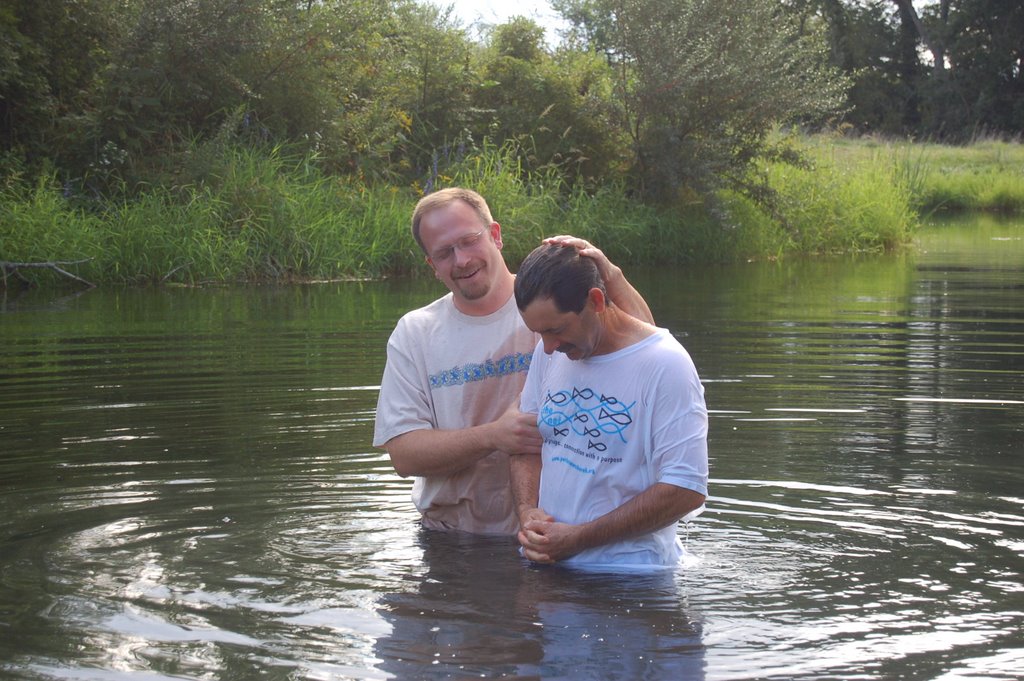
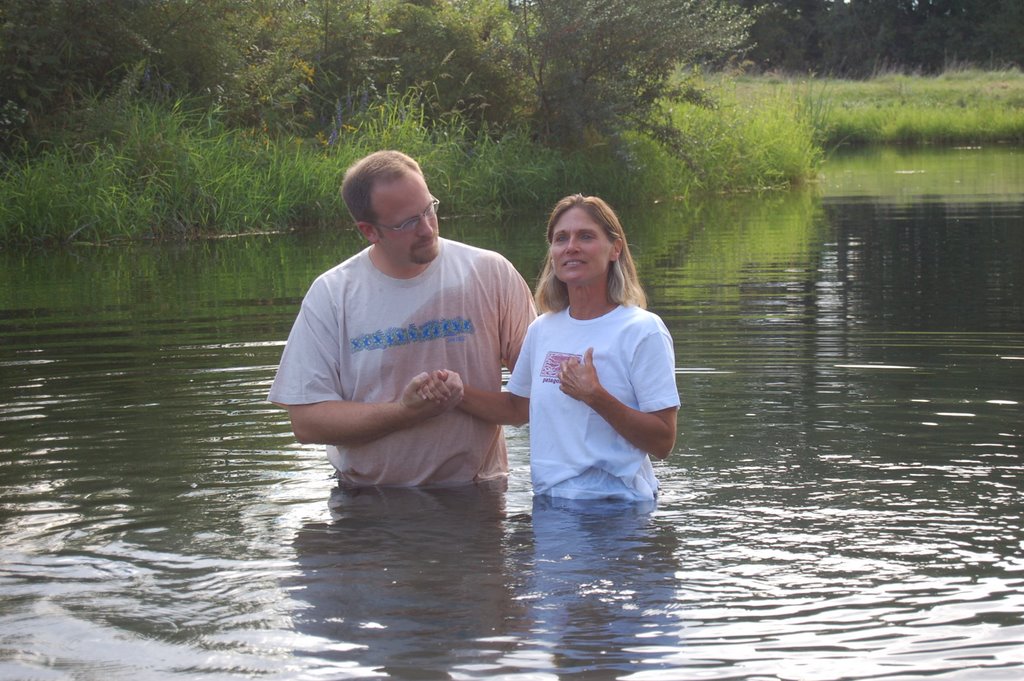
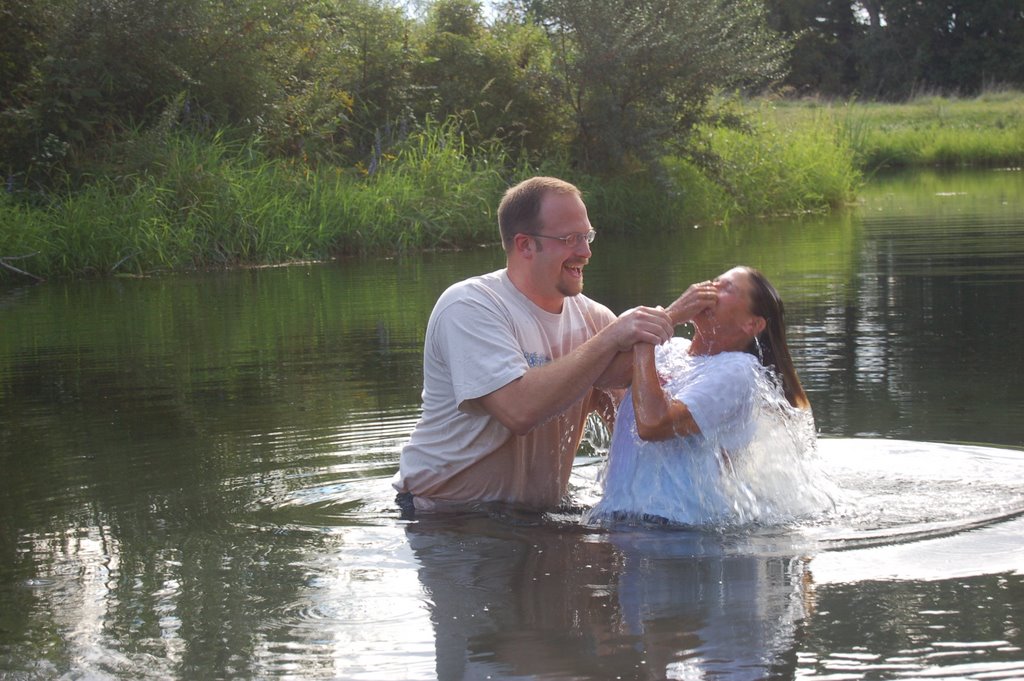
Here are a few pictures from a recent Baptism Service that was hosted by Doug and Jean and performed in the context of a small group. It was such an honor to be part of such a special occasion in the life of these believers and friends. The act of baptizing believers is a physical representation of the resurrection of Christ that was formally instituted by Christ and should be observed as an act of obedience in the life of every believer.

On the weekend of October 28 and 29 we will be having baptisms in all services. If you have never been baptized this would be a fantastic opportunity for you! To express your interest in this you can email Eli at esuddarth@parkviewchurch.org. The deadline for getting your name in is October 2nd. Hope to see you all down under! BTW: Jean also told me her pond is available any time if you would like to consider an all-natural baptism.


Monday, September 11, 2006

Does God Want You to Be Rich


The "Properity Gospel" teaches that the more faithful you are to God the richer you will become. Time Magazine made it a cover story in this weeks issue. This unbiblical movement contributes to the stereotypes that alienate the true gospel of Christ from having credibility with the world around us. Here is the CNN summary of the Time article. Here are a few clips:
"Prosperity" first blazed to public attention as the driveshaft in the moneymaking machine that was 1980s televangelism and faded from mainstream view with the Jim Bakker and Jimmy Swaggart scandals.

But now, after some key modifications (which have inspired some to redub it Prosperity Lite), it has not only recovered but is booming.

Of the four biggest megachurches in the country, three -- Joel Osteen's Lakewood in Houston; T.D. Jakes' Potter's House in south Dallas; and Creflo Dollar's World Changers in Atlanta -- are Prosperity or Prosperity Lite pulpits (although Jakes' ministry has many more facets).

"Who would want to get in on something where you're miserable, poor, broke and ugly and you just have to muddle through until you get to heaven?" asks Joyce Meyer, a popular television preacher and author often lumped in the Prosperity Lite camp. "I believe God wants to give us nice things."

Sunday, September 10, 2006

New Desiring God Website

Desiring God Ministries, a ministry of John Piper and Bethlehem Baptist Church have a new website that I took a few minutes to browse today. It is very easy to navigate and is extremely friendly for finding relevant Bible teaching resources. One of the impressive elements of the site is you can now use it to access 25 years of audio sermons and weekly sermon videos. Here is a complete description about what’s new on the site and here is where you can access the new home page.

Friday, September 08, 2006

Expressions of Instrumental Worship


I'm excited to announce that our Instrumental Music Director, saxophonist John Carlson, has released his own CD titled "Expressions Of Instrumental Worship." The CD is actually a compilation of two CDs John recorded while working for Willow Creek Community Church called "Preludes and Preludes II." The new CD features 15 of John's creative instrumental arrangements (and his playing) of popular classic worship songs such as Lord I Lift Your Name On High, I Love You Lord and Thy Word, among others, that were heard at Willow Creek for many years as Preludes and Offertories each week. Through the original CD sales and the many conferences Willow did on site and around the world, John's arrangements became very popular with churches all over. We even played the CDs here at Parkview for a long time as walk in music before John was even here. As well, the music charts for the arrangements have been used by churches world wide, and even recorded by the Salvation Army Jazz Band in Sidney Australia! We will be offering the CD for sale this weekend at Parkview in the lobby between services, as well as they can be purchased at the church office during the week. The CD will also be available at Lemstone Books in Coralville. For those of you not in town here, you can listen to samples of and buy the CD at this site. The CD is really fun, and great for personal worship times or casual listening. The styles range from upbeat and celebratory jazz fusion, big band, etc. to very beautiful, thoughtful and meditative acoustic tracks. The CD is also a great tool to share with your music loving friends and tell them about Parkview. Here's a link to an original song John wrote on the CD titled "There Must Be A Place Called Heaven." Thanks John for sharing your music with us!

Cultural Immersion

Some Christians won’t like this. It puts us back in the world in order to fulfill God’s mission for winning the lost. It will require us to give up some of the “Christian” things that we surround ourselves with. To fully understand what I am talking about, check out this short video by Mark Driscoll. The subject matter ties in pretty powerfully with some of the things Pastor Jeff shared with Parkview’s staff in our “all staff” meeting last Wednesday. How does the challenge of becoming culturally immersed in the lives of lost people sound to you?

NOTE: This is one of many videos that has been released in preparation for a John Piper conference on Postmodernism that some from Parkview will be attending in September. Mark Driscoll is a bit of a controversial figure, but really hits the nail on the head with this clip.

Wednesday, September 06, 2006

Comments Policy

In the right column of this blog I added a comments policy in order to guide the discussions that take place. This is not in response to any past problems but simply a proactive effort to make sure our interaction with one another honors Christ.

Thanks to Josh Malone and Mark Lauterbach for the template I took almost word for word.

Worship is a Verb: Part Two

Last week, in the post “Worship is a Verb” I discussed various Biblical and liturgical forms of physical worship. In my previous discussion we came up with numerous expressions from communion, to baptism, to the raising of hands, etc… In the comments section on my blog Brian shared William Hendrickson’s examination of bodily praise in the Old Testament. Interestingly one of the physical forms of worship we didn’t even mention in our previous discussion was the most frequently mentioned practice in the Old Testament! Here is Hendrickson’s tabulation:

Bowing heads: 4
Standing with reverence: 6
Lifting eyes to God: 9
Kneeling: 12
Lifting hands to God: 14
...AND...
Lying prostrate before the Lord: 28

For the purpose of this discussion I would like to categorize the physical forms of worship into the two different areas of liturgical movement, meaning a prescribed formulaic form of worship, and charismatic movement, meaning (for the purpose of this article) a spontaneous or unplanned form of worship.

In the Old Testament we see numerous examples in both categories. God prescribed numerous liturgical forms that we see observed within the tabernacle and temple (Deuteronomy, 1-2 Chronicles). Though there are not a lot of direct Biblical references to the synagogue in the Old Testament some scholars believe that these Sabbath gatherings may have began as early as the time of Moses. Though we don’t have much information on these gatherings they included public teaching and likely other liturgical forms of worship (including the reading of the law). In the Psalms we see numerous commands to worship the Lord in what appears to be a physically spontaneous manner including clapping, singing, bowing, kneeling, lifting hands, shouting, playing instruments, dancing, and standing in awe. (Ps 47:1, Ps 95:6, Ps 134:2, Ps 33:1, Ps 149:3, Ps 22:23).

In the New Testament we see that Christ himself would participate in what could be classified as liturgical forms of worship within the synagogue. In Luke 4:16 we find that he attended the synagogue weekly where he would teach and publicly read the scripture. He implemented the regular observance of the Lord’s Supper in Matthew 14:12-26 (which transformed the meaning of the Passover meal). In Eph 5:19 we are commanded to sing in Psalms, hymns, and spiritual songs and in Luke 24:50 we see Christ lifts his hands to deliver a blessing for the people. In 1 Corinthians 14 we read that the charismatic gifts of prophecy and speaking in tongues were practiced in early church worship gatherings.

Though this is a very quick overview on various worship forms within the scriptures, it does establish that both liturgical and charismatic forms of worship were practiced all throughout the Bible. For the average non-charismatic Evangelical in the United States, this could be a troubling reality to grapple with. Especially since, in comparison with the scriptures, we sparsely observe practices that appeared commonplace throughout Biblical history. This leads us to the question, should any or all of these practices be observed in today’s church? If so, to what degree should these practices be observed?

The Bible does give us some guidance in answering these questions. I will attempt to address these questions in a post next week.

Tuesday, September 05, 2006

God is My Girlfriend Songs

If you’ve been a worship leader for long, you’ve likely either sung or heard many “God is my girlfriend” songs. To clarify this term, let me give a few examples:
  • “Jesus draw me close, closer Lord to You. Let the world around me fade away…”
  • “Draw me close to You, never let me go, I lay it all down again, to hear you say that I’m your friend…”
The easy way to know if a song is a “God is my girlfriend” song is when it could easily be sung to your girlfriend (or guyfriend) by simply replacing the name (or focus) from Jesus or God to “Kelly” or “Meghan” or whoever. Consequently, another obvious characteristic of these songs is they tend to speak more with terms of emotional endearment and less with the actual qualities of God that precipitate our affectionate response to Him in worship.

The reason I am bringing this up is not to bash or insist on a comprehensive boycott of these songs. At Parkview we presently sing or have sung many songs (or sections of songs) that could be classified as “God is my girlfriend” songs (choruses, verses, etc..). In any case, I do feel we need to be cautious about over using these songs in corporate worship for the following reasons:

They make less of God

If we verbalize affection to God in the same way we would a person we are dating, then maybe we are thinking (or teaching) too little of God. If we are inviting unbelievers and believers to the goodness of our great God, then is it in our best interested simply paint a picture of a better cuddle?

They tell us nothing of God’s character or acts

Certainly our finite ability to understand and articulate the greatness of God forces us to simplify our adoration to tangible categories of God’s goodness; however, we shouldn’t use this as an excuse to emasculate our songs to the point that they say nothing specific of God’s goodness or character by only dwelling on the feelings we have for him.

My wife deserves better

Taking the previous point a little further, I could tell my wife “I love you, you are wonderful, come near to me, for when I’m with you the world fades away.” I could also tell her “Your loving smile fills my life with gladness, you grow more beautiful every single day, our children care for each other because of your example of selfless love, your spiritual fervor inspires me to love God more deeply, being with you brings me great joy.” Which would she prefer? Hands down she would prefer the second (BTW: I did confirm this with her before posting this). Why? Because those statements spoke deeply of the qualities that make me love her. Interestingly I could have wrote the first statement after my second date, but could only write the second after years of growing to love and know her more deeply.

The guy factor

I remember having a discussion with a Worship Leader friend about the lyric “Jesus I am so in love with You” in a song we used to sing at Parkview. The discussion was centered around the idea that sometimes flowery or emotional language can create a disconnect with men who tend to have an aversion to “touchy feely” moments. Certainly this is not true with all men, but in my perception is true with many.

They aren’t worth our time

Worship songs are more prolific now than ever. There are scores of wonderful songs to choose from every week. As we select our five to six songs for a weekend shouldn’t they be the best we have to offer?

People want to say something

I have worshiped in many charismatic churches that seem quite contented to repeat endearing phrases to God over and over and over again. This plain reality is that most people who attend mainline evangelical churches don’t relate to this way of thinking. Feedback I’ve received at our church (in a very academic oriented community) is that people really struggle with highly repetitive songs. They tend to want the lyrics to take them somewhere by telling a story that challenges them to think as well as engage the emotions.

In conclusion, I am not arguing that churches should only sing a diet of heady four verse songs rich in theological meaning. This would be insensitive to the seeker in our midst and would prevent us from occasionally pausing to dwell upon one aspect of God. My only concern is that we not fault on the side of singing songs that only express feelings and neglect to give God worship that articulates more deeply what makes him deserving of all our honor and praise.

Friday, September 01, 2006

The Success of the Team

Proverbs 15:22 tells us that “Plans fail for lack of counsel, but with many advisers they succeed.” This is confirmed in a book I’ve been slowly reading through called “Primal Leadership: Realizing the Power of Emotional Intelligence” by Daniel Goleman, Richard Boyatzis and Annie McKee. In Chapter 9 the authors write, “In the last few decades much research has proven the superiority of group decision making over that of even the brightest of individual in the group.” (P.173)

So yes, researchers confirm that two heads are truly better than one. If your one of those leaders who thinks that things are done better if you do them yourself, you better think again!